Kaushambi, a small yet fascinating district in Uttar Pradesh, India, is a place where history, spirituality, and modern life blend seamlessly. Tucked away in the northern part of the state, this region is often overlooked by travelers but holds a treasure trove of stories, ancient sites, and vibrant traditions. Whether you’re a history buff, a spiritual seeker, or someone who loves exploring offbeat destinations, Kaushambi has something special to offer. Let’s dive into what makes this district so unique.
A Glimpse into Kaushambi’s Rich History
Kaushambi’s history stretches back thousands of years, making it one of India’s most ancient regions. It was once the capital of the ancient Kosambi kingdom, a major center during the time of Lord Buddha around the 6th century BCE. The district is mentioned in ancient texts like the Mahabharata and Buddhist scriptures, which speak of its importance as a hub for trade, culture, and learning. Archaeological excavations have uncovered ruins, including monasteries, stupas, and fortifications, that hint at its glorious past. The famous Kosambi pillar, inscribed with Emperor Ashoka’s edicts, stands as a testament to the area’s historical significance. Walking through these sites feels like stepping back in time, where every stone tells a story of kings, monks, and thriving civilizations. Today, these remnants attract historians and curious travelers eager to connect with India’s ancient roots.
Spiritual Significance of Kaushambi
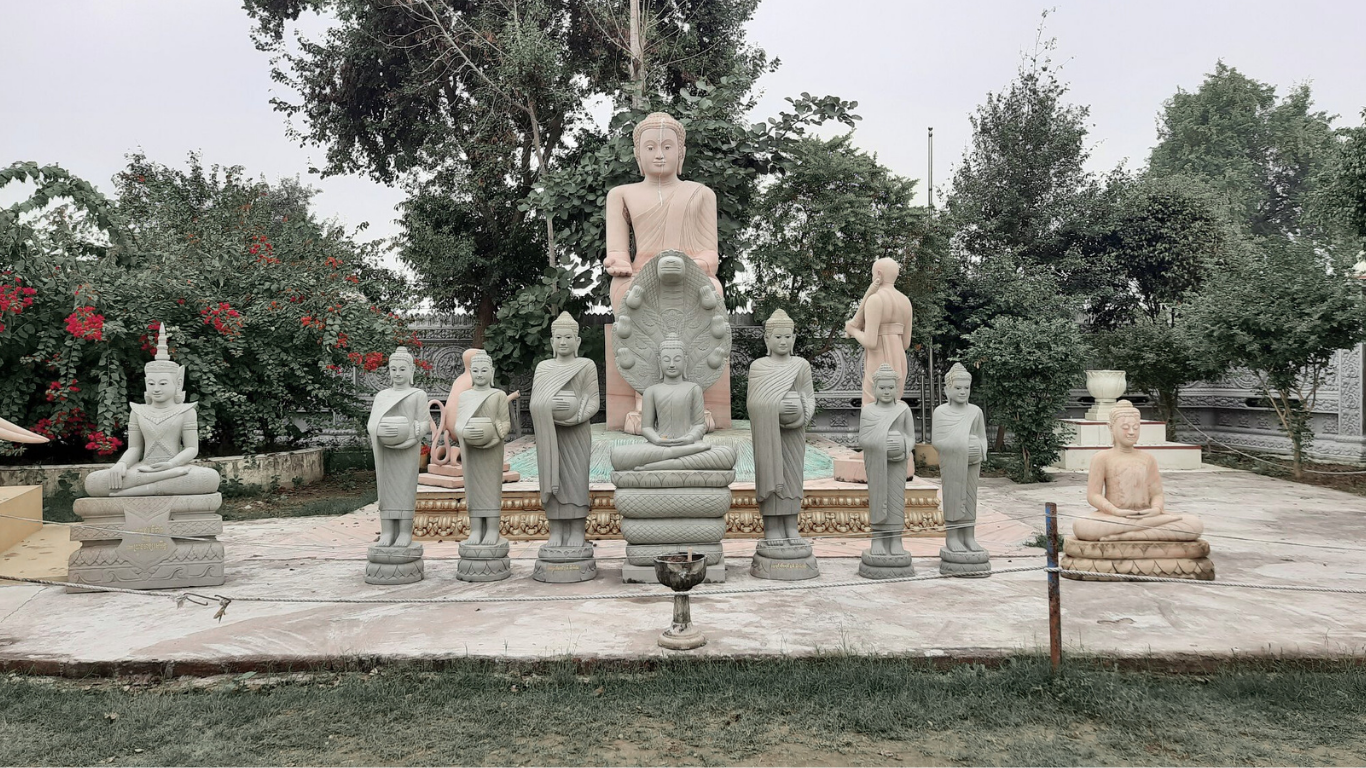
Kaushambi is a haven for those seeking spiritual solace. The district is deeply tied to Buddhism, as it was a place where Lord Buddha spent time preaching and meditating. The ancient site of Kosambi is home to several Buddhist relics, including the remains of monasteries and stupas that draw pilgrims from across the world. One notable spot is the Ghositarama Monastery, where Buddha is said to have stayed during his visits. Beyond Buddhism, Kaushambi also has temples dedicated to Hindu deities, reflecting the region’s diverse spiritual fabric. The peaceful ambiance of these sites, combined with their historical weight, makes them perfect for reflection and prayer. Locals often share stories of the area’s sacred energy, which adds a special charm to any visit. Whether you’re lighting a lamp at a temple or sitting quietly by a stupa, Kaushambi’s spiritual vibe is hard to miss.
Culture and Traditions of Kaushambi
The culture of Kaushambi is a colorful mix of traditions, festivals, and everyday life that reflects the heart of rural Uttar Pradesh. The people here are warm and welcoming, always ready to share a smile or a story. Festivals like Diwali, Holi, and Navratri are celebrated with great enthusiasm, with homes adorned with lights, rangolis, and delicious homemade sweets. Local folk music and dance, such as Nautanki and Raslila, are popular during community gatherings, bringing people together in joy. Kaushambi’s cuisine is another highlight, with simple yet flavorful dishes like dal, roti, and seasonal vegetables cooked with love. The district’s markets buzz with artisans selling handmade crafts, from pottery to woven fabrics. What makes Kaushambi’s culture stand out is its authenticity—there’s no pretense, just genuine traditions passed down through generations that make you feel at home.
Modern Kaushambi: A Blend of Old and New
While Kaushambi is steeped in history, it’s also a place that’s slowly embracing modern life. The district’s main town, Manjhanpur, is a bustling hub with schools, markets, and small businesses. Agriculture remains the backbone of the economy, with fields of wheat, rice, and sugarcane stretching across the landscape. In recent years, efforts to improve infrastructure, like better roads and access to education, have brought a new energy to the area. Yet, Kaushambi retains its small-town charm, where neighbors know each other, and life moves at a relaxed pace. For visitors, this blend of old and new is fascinating—you can explore ancient ruins in the morning and enjoy a cup of chai at a local stall by evening. The district is also becoming more accessible, with nearby cities like Prayagraj offering easy connectivity. Kaushambi’s ability to balance its past with its present makes it a unique destination.
Why Visit Kaushambi?
Kaushambi may not be as famous as Agra or Varanasi, but that’s exactly what makes it special. It’s a place where you can escape the crowds and discover a side of India that feels untouched by time. The district offers a chance to explore ancient history, connect with spirituality, and experience the warmth of rural life. Whether you’re wandering through archaeological sites, soaking in the calm of a temple, or chatting with locals over a plate of fresh puris, Kaushambi leaves a lasting impression. It’s perfect for travelers who want to go beyond typical tourist spots and uncover a place that’s rich in stories and soul. Plus, its proximity to major cities makes it an easy addition to any Uttar Pradesh itinerary. Kaushambi is a reminder that some of India’s best treasures are hidden in plain sight, waiting to be explored.