Kannauj, located in central Uttar Pradesh, holds a special place in India’s historical map. Known as Kanyakubja in ancient times, Kannauj was once the capital of several powerful dynasties. It gained prominence during the reign of King Harshavardhana in the 7th century, when the city served as the capital of his vast empire. Later, during the Tripartite Struggle, it became a bone of contention among the Palas, Gurjara-Pratiharas, and Rashtrakutas—all fighting for control over this powerful city.
The city’s history is filled with tales of rulers, poets, and saints. Kannauj has seen the rise and fall of empires, leaving behind traces of ancient architecture, forts, and temples. Though many structures are now in ruins, they still whisper stories from the past. This heritage gives Kannauj its distinct identity. It’s not just a city—it’s a timeline of India’s glorious and sometimes turbulent past.
Geography and Climate of Kannauj
Kannauj lies on the banks of the Ganga River and is part of the fertile Gangetic plains. The soil is rich and supports intensive farming. The region is mostly flat, with agricultural fields stretching as far as the eye can see. Being part of northern India, the city experiences three distinct seasons—hot summers, rainy monsoons, and cool winters.
Summer months can be dry and very hot, with temperatures often crossing 40°C. Monsoon arrives in July and brings much-needed rain for crops. Winters are pleasant, making the months from November to February ideal for visiting. The nearby river helps in irrigation and also adds to the scenic beauty of the district.
The city is well-connected by road and rail. The National Highway passes through it, making travel easy to nearby cities like Kanpur, Lucknow, and Farrukhabad. Though not a big urban center, Kannauj’s location and geography make it an important region for trade and farming.
Economy Rooted in Perfumes and Agriculture
Kannauj is famously known as the “Perfume Capital of India.” The city has been producing attar (natural perfume) for centuries. These traditional scents are made from flowers, herbs, spices, and even sandalwood oil using ancient distillation methods. Kannauj attars are exported worldwide and have earned the region a special name in the global fragrance market.
Apart from perfumery, agriculture forms the backbone of Kannauj’s economy. Farmers grow crops like wheat, rice, sugarcane, and potatoes. The fertile land and availability of water support year-round farming. Small industries based on food processing, pottery, and weaving are also common in the rural parts of the district.
With new roads, better transport, and government support for small businesses, many young entrepreneurs are also stepping into modern perfume packaging and online sales. While the charm of old traditions remains, Kannauj is slowly blending it with modern economic growth.
Political Setup and Governance
Kannauj is both a district and a parliamentary constituency in Uttar Pradesh. Politically, it holds significance due to its history and location. The city has seen representation by many well-known leaders, including members of prominent political families. The Kannauj Lok Sabha seat has attracted national attention during several elections.
The district is divided into tehsils and governed by a District Magistrate. The local administration looks after public welfare, roads, schools, health, and law and order. Local bodies like Nagar Palika and Panchayats are responsible for managing basic amenities in towns and villages.
Voters in Kannauj often focus on development issues—like roads, electricity, employment, and water supply—when making political choices. Youth participation in politics is also rising, with growing interest in awareness campaigns and local governance. Political life here may seem simple on the surface, but it is deeply rooted in people’s daily struggles and hopes.
Demography and Culture
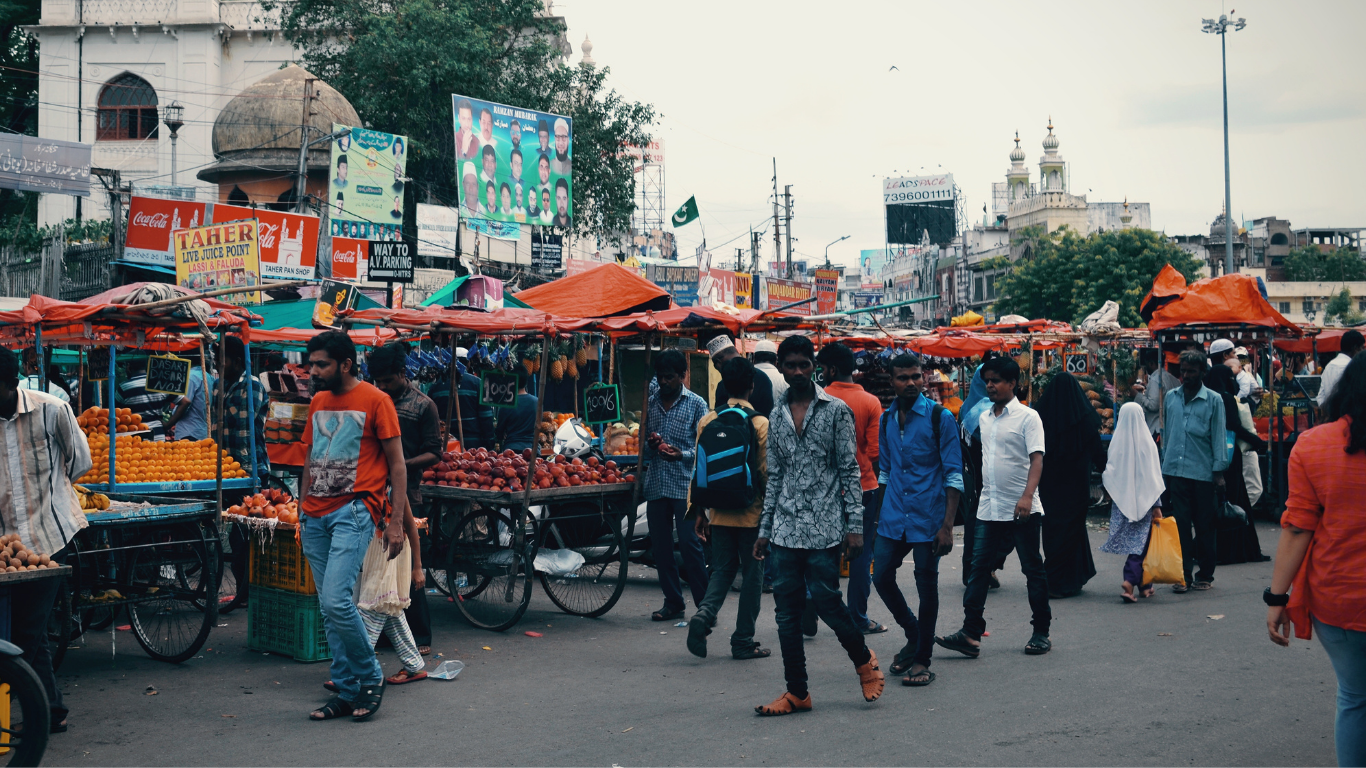
Kannauj has a population of over 18 lakh people, with most residents living in rural areas. The majority of the population speaks Hindi, though local dialects like Kannauji and Awadhi are also widely spoken. The city has a mix of communities, including Hindus, Muslims, and others living together peacefully.
The literacy rate is improving every year, with many students attending government and private schools. There are also a few colleges offering higher education in arts, science, and commerce. Many families still follow traditional occupations, especially in the perfume and farming sectors.
Culturally, Kannauj is vibrant. Festivals like Holi, Diwali, Eid, and Teej are celebrated with enthusiasm. Local fairs, religious gatherings, and folk music keep traditions alive. Simple living, strong family ties, and respect for culture define daily life here.
Conclusion
Kannauj, Uttar Pradesh, is more than just a city—it’s a living piece of India’s history. From ancient rulers to traditional perfumes, from fertile fields to cultural unity, Kannauj offers a blend of the old and new. It may not be a booming metro, but its quiet strength, skilled artisans, and rich past make it a city worth knowing and appreciating.Tools.